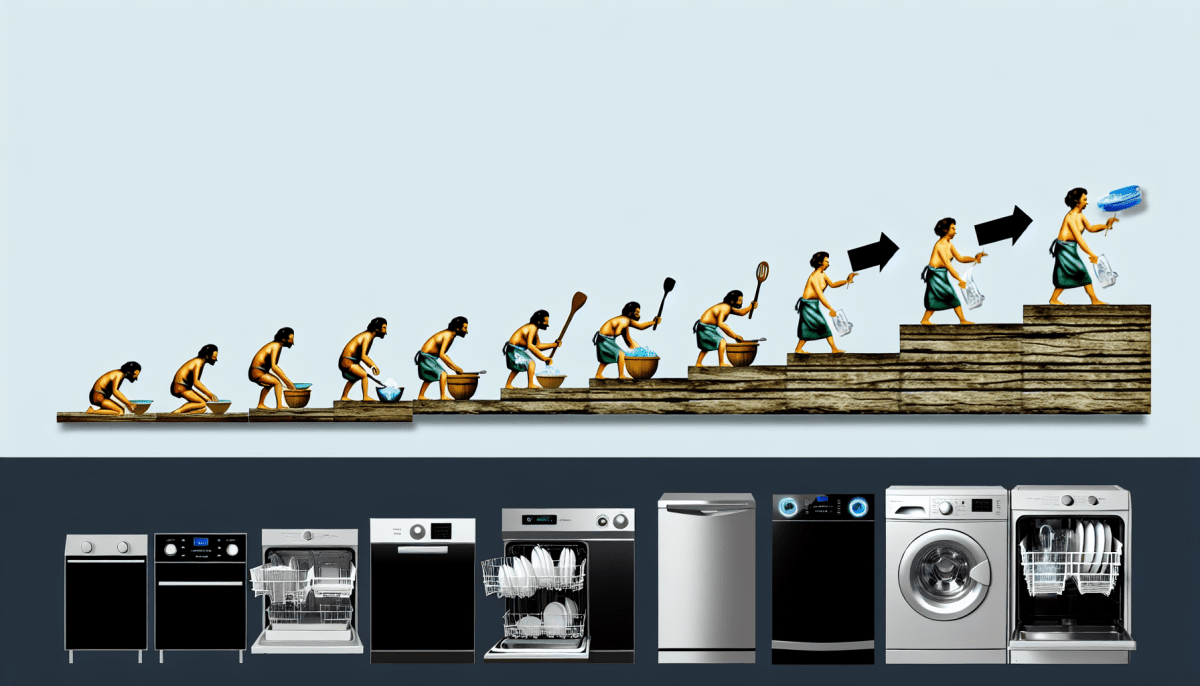
Early dishwashers were a game changer in their time, but they definitely came with their share of quirks. The first one was invented in the 1850s and looked nothing like what we have today. It was more like a wooden cabinet with a hand-cranked mechanism that sprayed water on dirty dishes. Talk about a workout just to get your plates clean!
One major design flaw in these early models was their efficiency—or lack thereof. Many couldn't actually get dishes fully clean, leaving behind bits of food and grime. Imagine spending all that time washing and still having to scrub by hand! Plus, they required a lot of manual effort, which kind of defeated the purpose of having a machine to assist with the chores.
Another downside was the water usage. Older models weren't very mindful of conserving water. They often used several gallons for one load, which not only wasn't eco-friendly but also made people think twice about whether they were really saving time or just being wasteful.
And let's not forget about the noise! Early dishwashers would rumble and clang like a small earthquake in your kitchen. You'd have to plan your dishwashing sessions around family time just to avoid the racket. It's no wonder many folks opted for the classic hand wash!
The Rise of Electric Models
The rise of electric dishwashers changed the way we handle our kitchen cleanup, transforming it from a chore into an effortless task. In the early days, washing dishes required plenty of elbow grease and hours spent scrubbing and rinsing. Fast forward to the introduction of electric models in the mid-20th century, and suddenly, households were discovering the joys of automated cleaning.
These electric dishwashers quickly gained popularity due to their convenience. Imagine tossing in a load of dirty dishes, pressing a button, and walking away to enjoy your free time! People loved that they could spend less time in the kitchen and more time with family or pursuing hobbies. These machines became a must-have for busy households and set the stage for the dishwashers we know today.
As technology advanced, electric dishwashers began to include a variety of features that made them even more user-friendly. You could find models with adjustable racks for different dish sizes, soil sensors that adjusted water usage, and energy-saving options. It was clear: manufacturers listened to the needs of consumers and continually improved their products.
The shift to electric models also led to a greater emphasis on design and aesthetics. Dishwashers started to come in a range of colors and styles, making them a stylish addition to modern kitchens. They even included quiet operation features, allowing them to run during family dinners without a disruptive noise. This blend of functionality and design helped solidify electric dishwashers as an essential appliance in homes worldwide.
Smart Technology in Modern Dishwashers
Smart technology is taking dishwashers to a whole new level! These modern machines are designed not just to clean your dishes but to make your life easier too. Imagine starting a wash cycle from your couch or getting a notification on your phone when it's done. That’s the power of smart dishwashers!
Many smart dishwashers come with features like Wi-Fi connectivity, allowing you to control them remotely. This means you can preload your dishwasher in the morning, head out for the day, and start it while you're out, so it finishes just as you’re getting home. Super convenient, right? Plus, some models even have voice control compatibility, letting you use your smart home assistant to start or stop cycles.
But it’s not just about convenience—smart dishwashers also help with efficiency. They can often detect how dirty your dishes are and adjust the wash cycle accordingly. This not only saves water but can also lead to better cleaning results. No more guesswork on which cycle to pick!
And let's not forget the built-in diagnostics. If something goes wrong, your dishwasher can send alerts directly to your phone, helping you troubleshoot before it turns into a bigger issue. That means fewer unexpected repairs and a longer lifespan for your dishwasher. It’s like having a helpful assistant for your kitchen chores!
Future Trends in Dishwasher Innovation
Technology is always moving forward, and dishwashers are no exception. You might have noticed that today’s models are not just about cleaning your dishes anymore. Manufacturers are getting creative, adding smart features that change how we use our kitchen appliances. Imagine controlling your dishwasher from your phone or getting notifications when your dishes are done. It’s all about making life easier and more convenient.
Energy efficiency is another area where we’re seeing exciting developments. Future dishwashers will likely use even less water and electricity, thanks to improvements in water filtration and energy-saving modes. Many new models already have eco-friendly settings, but soon we can expect even smarter technology that adjusts its water and power use based on the load size. Less waste means a happier planet!
Another trend to watch is the use of advanced materials in dishwasher design. We're talking about better insulation for quieter operation and durable surfaces that resist stains and odors. Plus, with the rise of the smart home, dishwashers could be designed to sync with other appliances, like your refrigerator, to optimize your kitchen's overall efficiency.
Lastly, there’s a focus on customization. In the future, you might be able to choose specific wash cycles based on the types of dishes you have. Whether it's fine china or heavily soiled pots, dishwashers will adapt to fit your needs. It’s all about bringing more personalization into the kitchen while simplifying your dishwashing routine.